Every summer, school leaders across Louisiana gather around conference tables with one goal in mind: making next school year even better than the last.
Data walls go up. LEAP scores are analyzed. Improvement plans are written.
Teams ask important questions:
- How do we increase the number of students scoring Mastery and Advanced?
- How do we ensure students performing below grade level show measurable growth?
- How do we improve attendance?
- Reduce behavior referrals?
- Close achievement gaps?
These are the right questions.
But after years of working with schools, students, and families, I can't help but ask another one.
What if one of the most powerful school improvement strategies isn't sitting inside the classroom at all?
What if it's sitting around the dinner table?
We've Been Asking Schools to Solve a Community Challenge
Schools today are expected to do more than ever before. They're expected to educate. Support mental health. Close learning gaps. Improve attendance. Address behavior. Differentiate instruction. Prepare students for college and careers. Communicate with families. Support students living in poverty. Respond to trauma. Retain teachers. Raise test scores.
The list continues to grow. Yet despite all we ask of schools, one truth remains:
Teachers have children for approximately seven hours each day.
Families and communities influence the other seventeen.
That's not a criticism of schools. It's simply a reminder that children are shaped by far more than what happens between the first and last bell.
If we truly want different outcomes, we have to think beyond the classroom.
Student Success Lives in the Overlap
Some people believe education is the school's responsibility. Others believe it's the parents' responsibility. I believe both perspectives miss something important.
Student success lives in the overlap.
When schools, families, and communities move in different directions, children receive mixed messages. When they move together, children experience consistency.
Consistency builds confidence. Confidence fuels engagement. Engagement leads to growth. That's how transformation happens.
Every Child Has Three Classrooms
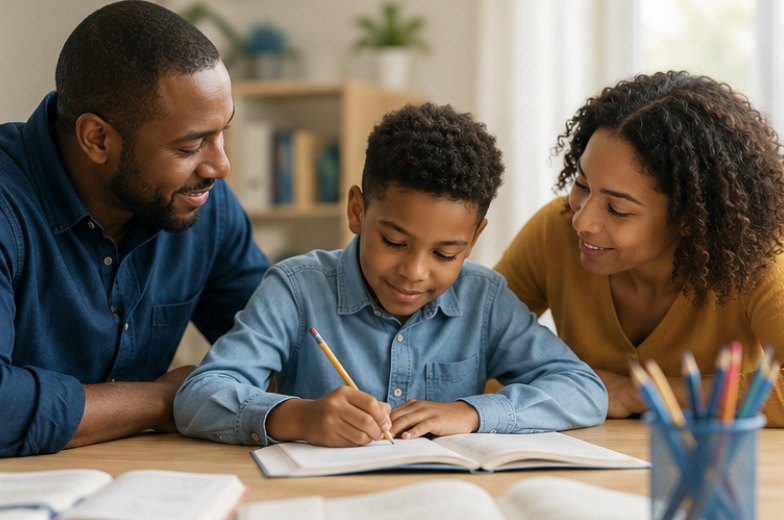
When we think about education, we often picture a desk, a whiteboard, and a teacher standing at the front of the room. But children actually learn in three classrooms.
Classroom One: School
This is where students develop academic knowledge through skilled educators, intentional instruction, and meaningful learning experiences. Schools provide the foundation.
Classroom Two: Home
Home is where attitudes toward learning are reinforced. It's where children learn perseverance. Where bedtime routines are established. Where books are read. Where conversations happen. Where confidence is either strengthened or unintentionally weakened.
Parents don't have to become teachers. But they are among a child's first and most influential educators.
Classroom Three: Community
Churches. Libraries. After-school programs. Athletics. Mentors. Tutors. Local businesses. Neighbors. Every interaction either reinforces or competes with what children are learning elsewhere.
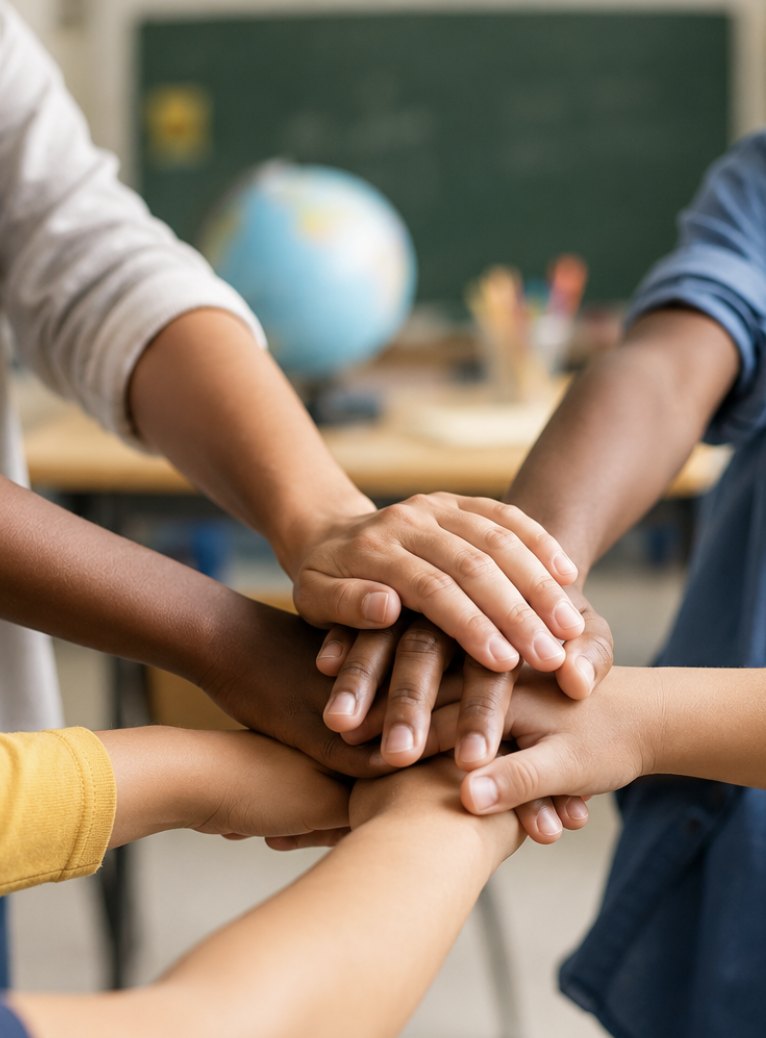
When these three classrooms work independently, progress can be slow. When they work together, children thrive.
Family Engagement Isn't About Hosting More Events
For years, schools have been encouraged to increase family engagement. Too often, that has been interpreted as hosting another event.
- Open House
- Literacy Night
- Donuts with Dad
- Muffins with Mom
- Parent conferences
These events have value. They build relationships. They create memories. But attending an event doesn't necessarily change what happens at home the next day.
Real family engagement answers a different question:
How do we equip families to support learning every day?
Imagine if every parent understood simple ways to strengthen reading comprehension during bedtime stories. Or how grocery shopping could reinforce math concepts. Or how consistent routines support executive functioning. Or how the words we choose after a disappointing test can either strengthen or weaken a child's confidence.
That's the kind of engagement that changes outcomes.
Schools Need Partners, Not More Pressure
As an educator, I've never met a school that didn't want families involved. I've also never met a parent who didn't want their child to succeed.
The challenge isn't desire. It's capacity.
- Teachers can't individually coach every family on how to support learning at home.
- Parents often don't know where to start.
- Community organizations want to help but aren't always connected to the school's goals.
Everyone cares. But caring isn't the same as coordinating. That's where partnership changes everything.
Why We Created Family Advantage™

At Mon Amie's Solutions, we didn't create Family Advantage™ because schools needed another program. We created it because we believe schools deserve stronger partners.
Family Advantage is built on one simple belief:
When families are equipped, students are empowered.
Rather than placing more responsibility on teachers or more pressure on parents, Family Advantage strengthens the connection between them through practical family workshops, staff development focused on family partnerships, engagement surveys, and optional facilitated conversations that help schools and families move from frustration to collaboration. The goal isn't to replace what schools are already doing. It's to strengthen it by helping everyone work from the same playbook.
Because improving student outcomes isn't only about what happens inside the classroom. It's about strengthening the entire ecosystem around every child.
Imagine the Possibilities
Imagine a school where families understand exactly how to reinforce learning at home. Imagine teachers who know parents are true partners, not just conference attendees. Imagine students receiving the same message of encouragement, accountability, and belief whether they're sitting in a classroom, riding home in the car, or eating dinner with their family.
That's more than family engagement. That's alignment. And alignment changes lives.
The Future of School Improvement
The schools that see the greatest long-term success won't simply be the ones with the newest curriculum or the latest technology. They'll be the schools that understand one timeless truth:
Children flourish when the adults in their lives pull in the same direction.
We don't need schools to do more. We need more people helping schools accomplish what no single institution was ever designed to do alone.
Because the future of education isn't built by schools. It isn't built by parents. It isn't built by community organizations. It's built by partnerships.
Discover how The Family Advantage™ helps schools and families work from the same playbook.
The Family Advantage™ · School Partnership EditionBreak the Cycle™ Insight
The greatest opportunity in education isn't asking schools to carry more. It's helping families, educators, and communities carry the responsibility together. When we stop treating family engagement as an event and start treating it as a strategy, we don't just improve schools. We change the trajectory of children's lives.